
tinted toughened glass
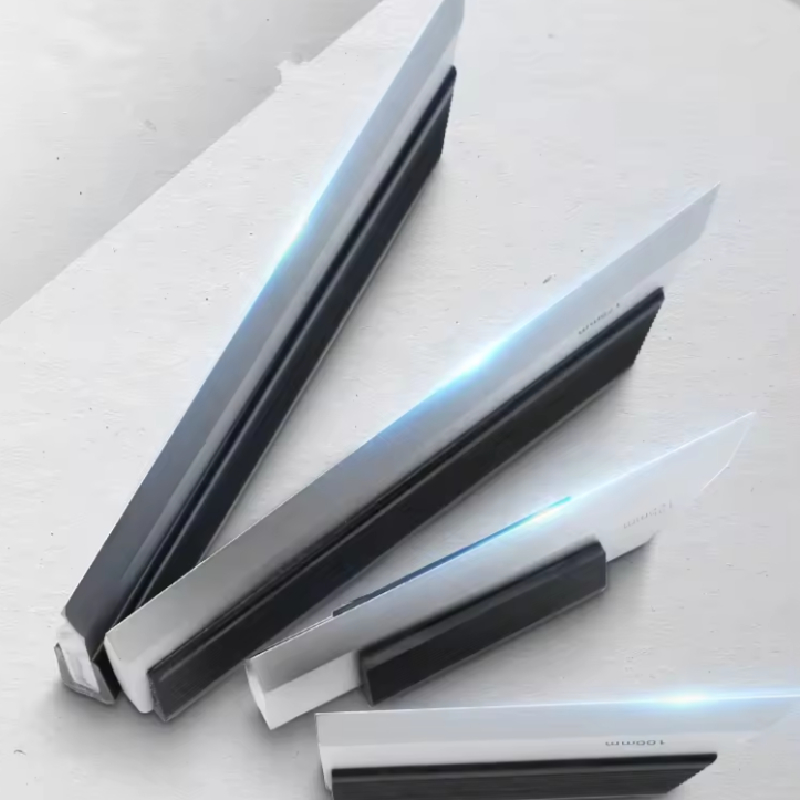
The Parallel Ruler A Tool of Precise Measurement In the realm of drafting and design, precision is paramount. Among the various tools utilized by architects, engineers, and artists, the parallel ruler stands out as a device that significantly enhances the accuracy of line drawing and measurement. Unlike traditional straightedges that can only be used in a limited way, the parallel ruler offers a unique and efficient method for maintaining parallel lines while ensuring consistent measurements. The parallel ruler, often made of wood or metal, features two rulers connected by a set of moveable arms. This design allows users to draw or measure multiple parallel lines with ease. Whether it’s for creating technical drawings, maps, or intricate designs, the ability to maintain consistent spacing between lines is crucial. Using a parallel ruler, drafters can quickly execute complex designs without the need for tedious calculations or repetitive measurements. One of the most notable advantages of the parallel ruler is its capability to facilitate scaling. By aligning the ruler with a specific point and adjusting the movable arms, users can effectively create scale drawings. This is particularly useful in architectural design, where scale is crucial for ensuring that buildings fit within specified dimensions . Furthermore, the ability to draw scaled parallel lines simplifies the process of translating real-world measurements into a manageable blueprint. parallel ruler In addition to its practical uses, the parallel ruler is also appreciated for its educational value. In classrooms and workshops, it serves as an excellent introduction to the principles of geometry and engineering. Students learn not only about parallel lines and angles but also develop fine motor skills and a keen eye for detail. The tactile experience of manipulating the tool provides hands-on learning that is beneficial for grasping fundamental concepts in design. Moreover, the resurgence of analog tools in a digital age underscores the parallel ruler's significance. While software programs and digital drafting tools dominate the landscape, many professionals still value the simplicity and reliability that the parallel ruler offers. It allows for a direct connection to the work being created, embracing a more traditional approach that fosters creativity. In conclusion, the parallel ruler is more than just a simple tool; it represents a fusion of art and science. Its ability to provide precise measurements and maintain parallel lines has made it an indispensable asset across various fields. Whether used in practice or education, the parallel ruler remains a testament to the enduring importance of precision in design.
about
tinted toughened glass
Understanding Micrometer Sets A Comprehensive Guide Micrometer sets are essential tools in the field of precision measurement. They are widely used in various industries, including manufacturing, engineering, and metalworking. A micrometer is an instrument designed to measure small dimensions with high accuracy. Typically, they are used to measure thickness, diameter, and depth with precision down to thousands of a millimeter or more. This article will delve into the components, uses, and benefits of micrometer sets, making you appreciate these valuable tools even more. What is a Micrometer? A micrometer, often referred to as a micrometer screw gauge, consists of a frame, an anvil, a spindle, a thimble, and a measuring scale. The device works based on the principle of a screw, where a small rotation of the thimble results in a much larger linear movement of the spindle. This increase in precision allows machinists and engineers to measure a variety of dimensions with a high degree of accuracy. Components of a Micrometer Set 1. Anvil and Spindle The anvil is a stationary part of the micrometer, while the spindle is movable. When measuring an object, the spindle moves towards the anvil, compressing the object between them. 2. Thimble and Ratchet The thimble has a scale that provides measurements. The ratchet mechanism helps in applying a consistent force to prevent over-tightening, ensuring accurate and consistent readings. 3. Scale Micrometers typically come with two scales the main scale on the barrel and the vernier scale on the thimble. The combination allows for precise readings, usually to the nearest 0.01 mm or finer. 4. Different Types Micrometer sets can include various types specialized for different measurements, such as external micrometers for outer dimensions, internal micrometers for internal dimensions, and depth micrometers for measuring the depth of holes or recesses. micrometer set Uses of Micrometer Sets Micrometer sets are invaluable in many applications. They are primarily used in manufacturing and engineering contexts where exact measurements are crucial. For example, when creating cylindrical components, ensuring accurate diameters can mean the difference between a functioning part and one that is unusable. Additionally, in quality control processes, micrometers help ensure that parts meet specified tolerances, which supports overall product quality. In the field of woodworking, micrometers assist in achieving precise cuts and measurements, enhancing both aesthetics and functionality. They are also helpful in the sciences, particularly in laboratories where accurate measurements of small dimensions are required. Benefits of Using Micrometer Sets The primary benefit of micrometer sets is their accuracy. They can provide measurement readings that are often more precise than those obtained from calipers or other measuring tools. Moreover, micrometers are typically easier to read than vernier calipers, thanks to their clear scale designs. Another advantage is their ease of use. Most micrometers come with user-friendly designs that allow even novice users to achieve accurate measurements with minimal training. Furthermore, the durability of micrometers ensures they can withstand rigorous use in industrial settings, making them a cost-effective investment in long-term precision measurement. Conclusion In conclusion, micrometer sets are fundamental tools in the precision measurement arsenal. Their ability to provide highly accurate measurements makes them indispensable in numerous fields, including manufacturing, engineering, and beyond. Understanding their components, uses, and benefits allows professionals and hobbyists alike to leverage these tools to improve the quality and accuracy of their work. Whether you are a seasoned professional or just starting, investing in a quality micrometer set is sure to enhance your measuring capabilities.
-

High quality industrial productsagement

High quality industrial products
View Details -

Meet the diverse needs of customers

Meet the diverse needs of customers
View Details -

Strict quality control

Strict quality control
View Details -

Top raw materials

Top raw materials
View Details -

Trusted supplier

Trusted supplier
View Details
Our application
news and information

Välineet tarkkuusmittaamiseen syvyysmittari 18-35 mm halkaisijalle
Dial bore gauge on yksi tärkeimmistä työkaluista tarkkuusmittauksessa teollisuudessa, erityisesti ku

Y Shaped Strainer for Efficient Filtration and Fluid Management Solutions
Understanding Y-Shaped Strainers Essential Components in Fluid Systems In various industrial and com
Valvola a sfera bilanciata per un controllo ottimale del flusso nei sistemi idraulici
Valvole a Globo Bilanciate Funzionamento e Vantaggi Le valvole a globo bilanciate rappresentano un e
 English